

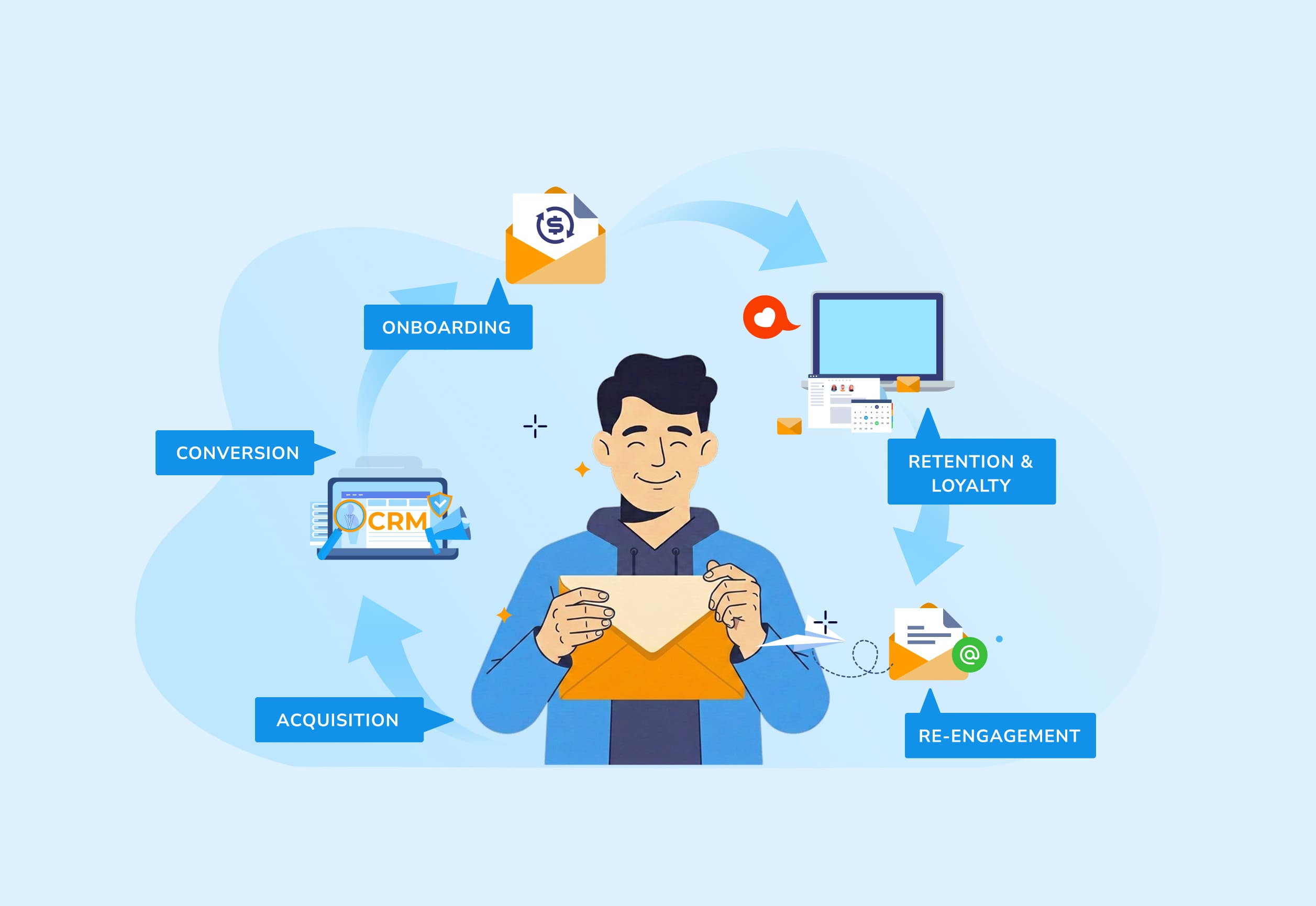
Every day you’re out running your business, potential revenue is slipping through the cracks — missed follow-ups, forgotten estimates, and past customers who never return. Without a consistent system, even your best leads can go cold before they turn into paying jobs.
Email lifecycle marketing solves this by automatically sending the right message at the right time. It follows up on quotes, nurtures leads, and brings past clients back — helping you turn your email list into a predictable revenue system without adding more work to your day.
Configuring these systems independently takes time and technical know-how. If you want to avoid the guesswork, our TruVisibility experts can implement a custom, turnkey strategy designed specifically for your local business.
Table of Contents
- What Is Email Lifecycle Marketing
- How It Differs from Traditional Email Campaigns
- Is Email Lifecycle Your Growth Solution? Key Situations We Address
- The 5 Email-Driven Lifecycle Stages You Must Automate
- How Lifecycle Automation Drives Revenue Growth
- The Role of Personalization in Lifecycle Automation
- Measuring Lifecycle Marketing Performance
- Lifecycle Email Marketing Examples
- Why Your Business Needs a Platform, Not Just a Strategy
- Conclusion
- FAQ
What Is Email Lifecycle Marketing
Lifecycle email marketing is simply sending the right message automatically based on a customer’s recent actions. You take the time to set up these emails once, and the software sends them out precisely when they are most needed. Instead of writing a generic newsletter every single month and blasting it to everyone on your list, the automated system works quietly behind the scenes to address specific customer situations and behaviors.
This targeted approach means your clients only receive information that makes absolute sense for their current situation.
- It triggers a friendly follow-up when someone requests a pricing quote on your website but goes silent for a few days.
- It sends an automatic thank-you message and a polite review request immediately after you mark a job as completed.
- It sends a yearly reminder for seasonal maintenance, like an annual AC checkup or a pre-winter roof inspection.
- It offers a special promotional discount to old, inactive customers who have not hired you in a long time.
Because the automated system relies on actual customer actions rather than your personal schedule, your local marketing becomes incredibly consistent. You build strong relationships with your community without having to remember to sit down and send emails manually after a tiring workday.
How It Differs from Traditional Email Campaigns
Many local business owners mistakenly think email marketing simply means sending out a monthly update. A structured customer lifecycle email marketing system takes the exact opposite approach by focusing on high relevance and perfect timing.
Table: Traditional Email Campaigns vs. Lifecycle Automation – Key Differences
When you switch your strategy to a fully automated setup, you’re not just sending emails; you are implementing a customer lifecycle email marketing framework. This shifts the focus from your business schedule to the customer’s personal timeline, ensuring higher engagement and fewer unsubscribes.
Is Email Lifecycle Your Growth Solution? Key Situations We Address
Many business owners struggle to move beyond basic newsletters. This is where agencies delivering lifecycle email marketing provide the most value, by identifying these specific bottlenecks and automating the entire customer journey for you.
- You send regular promotional emails but do not see a consistent increase in booked jobs.
- Your subscriber list is growing, but active customer engagement and repeat calls are dropping fast.
- You waste hours manually writing follow-up messages instead of focusing on high-level business strategy.
- You have no automated system in place to bring back past buyers who stopped calling you.
Sound familiar? If you are nodding your head, it means you have outgrown basic, manual email tools. You need a structured, automated system that works relentlessly in the background to capture lost revenue and nurture community relationships.
The 5 Email-Driven Lifecycle Stages You Must Automate
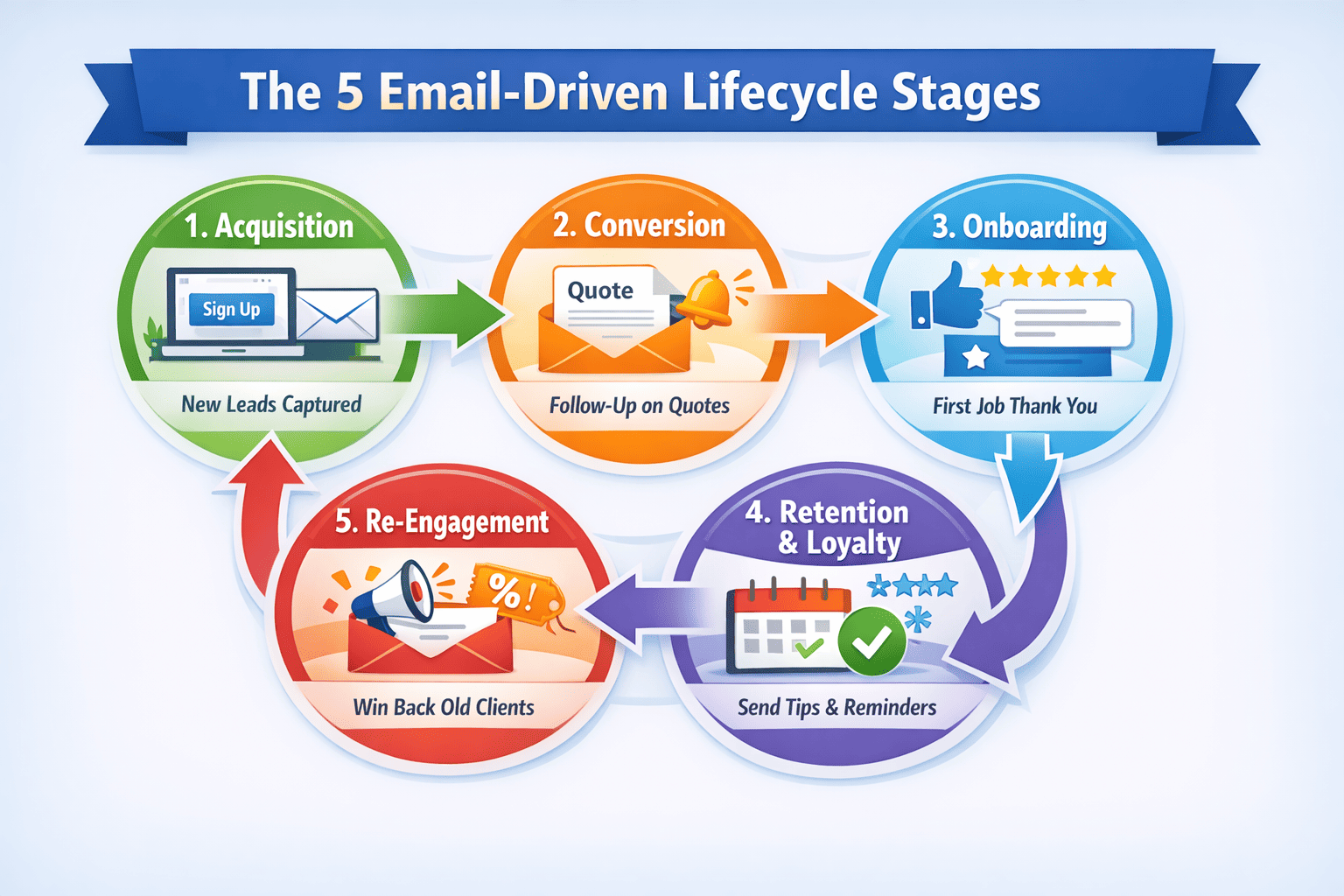
To make this concept work specifically for a local service business, you need to deeply understand the basic journey your customers take from the moment they find you to the moment they become a regular client. You can easily map out your automatic emails to perfectly match these five specific stages of their experience.
Stage 1: Acquisition
This is the critical stage when a local homeowner visits your website and gives you their contact information, usually in exchange for a lead magnet like a small discount on their first service call. An automated welcome email sequence immediately goes out to introduce your business, highlight your local expertise, and gently push them to finally book that very first appointment.
Stage 2: Conversion
Sometimes people ask for a detailed estimate but get distracted by their daily lives before officially hiring you. Your automated system will notice this hesitation and send a friendly follow-up email a day or two later, reminding them that their quote is ready and waiting for approval. This simple, automated reminder effortlessly recovers lost jobs.
Stage 3: Onboarding
The onboarding stage happens right after you successfully finish your first job for a brand-new client. The system automatically sends a personalized message thanking them for trusting your business and gently asking them to leave a review on Google or Yelp. Positive online reviews are the absolute lifeblood of local service businesses.
Stage 4: Retention & Loyalty
Keeping an existing, satisfied customer is always much cheaper and easier than spending marketing dollars to find a brand-new one. In this stage, your system sends helpful, seasonal advice that continuously positions you as the trusted local expert in your specific field, ensuring they call you the next time something breaks.
Stage 5: Re-engagement (Win-back)
Every single local business has past clients who simply stop calling after a year or two, often just because they forgot or got busy. A dedicated win-back campaign automatically identifies these inactive people in your database and sends them a highly attractive offer to wake them up and get them safely back on your working schedule.
By automating these five stages, you create a seamless system that nurtures leads, maximizes customer value, and keeps your business top of mind without constant manual effort.
How Lifecycle Automation Drives Revenue Growth
Shifting to a marketing automation system does more than just save you a few hours on Sunday evening; it fundamentally changes your business financials. Here is exactly how this approach impacts your bottom line as a local service provider:
- It drastically increases your overall revenue by delivering highly relevant upsell offers at the perfect time.
- It significantly reduces the number of lost customers by actively re-engaging them before they hire a competitor.
- It shortens the time between booked jobs through strategic, targeted incentive triggers and seasonal reminders.
- It creates a steady stream of predictable income, eliminating the stressful feast-or-famine cycle typical of small businesses.
These financial improvements create a powerful snowball effect for your local company. You ultimately get a much higher return on investment for every single lead you capture from your website.
Stop losing leads and missed opportunities. Our messaging platform helps you automate follow-ups, send targeted emails and SMS, and engage customers at the right moment — all from one easy-to-use dashboard.
The Role of Personalization in Lifecycle Automation
Modern consumers completely ignore generic, boring advertising. Personalization is what gives your automated emails real power and makes them feel like a one-on-one conversation. By tailoring your messages, you dramatically improve conversion rates and strengthen customer retention in your local community. This is not just about using a first name; it is about building an experience based on what the customer actually needs.
- Messages fire automatically based on what the user actually does, like requesting a specific quote.
- A loyal, long-time client receives completely different content compared to a prospect who just signed up yesterday.
- Emails dynamically change their images and service blocks based on the past jobs you completed for that specific reader.
- A deep CRM integration ensures your marketing tools and customer databases talk to each other perfectly.
When you personalize your approach, your emails stop looking like spam and start looking like helpful customer service. This builds immense trust and keeps your schedule completely booked.
Measuring Lifecycle Marketing Performance
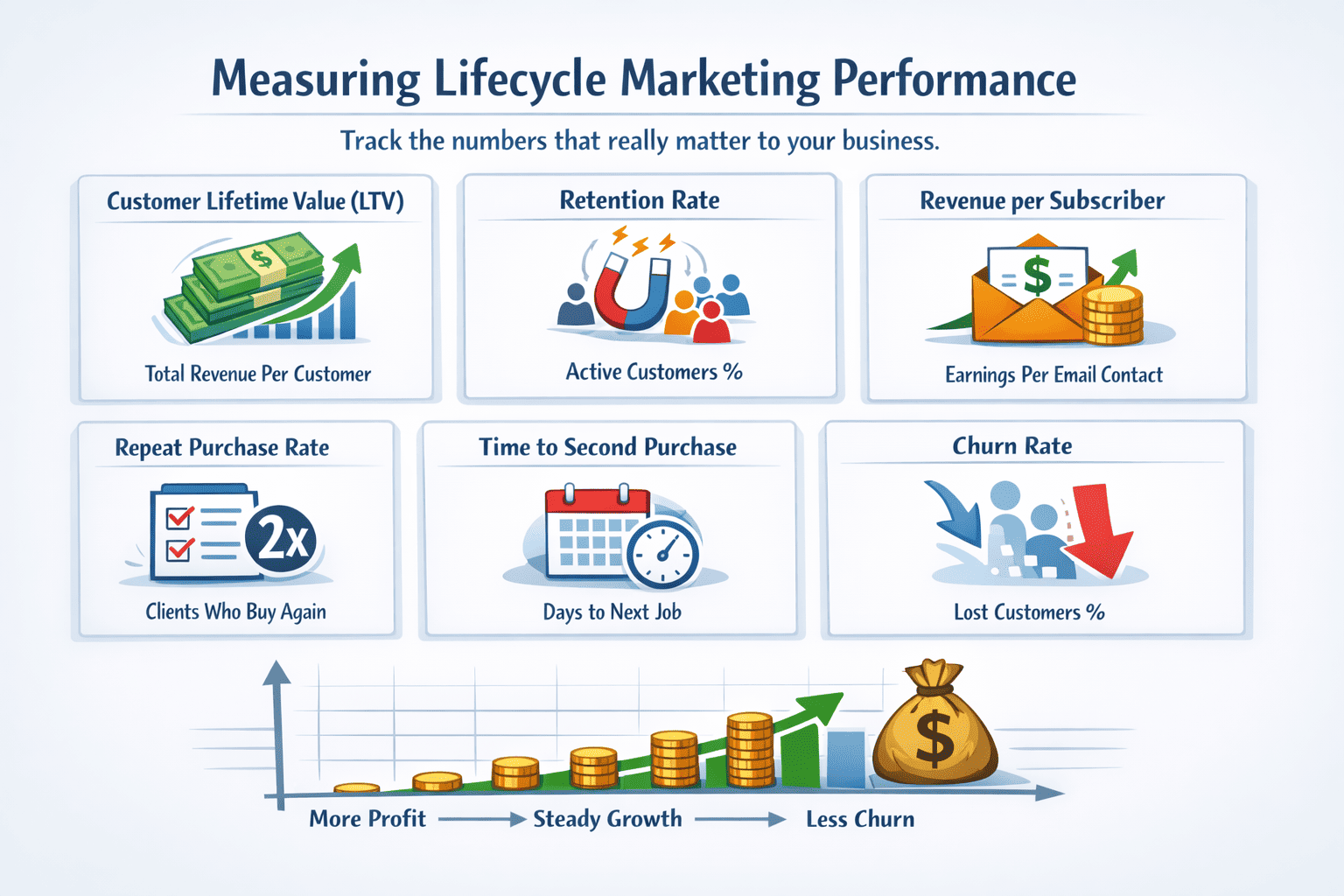
As a busy small business owner, you do not need to track dozens of complicated, confusing software metrics that corporate marketers use. You just need to know if your automated emails are actually putting more real money in your pocket at the end of the month. Tracking just a few key numbers will tell you exactly how well your automated revenue engine is performing.
Customer Lifetime Value (LTV)
This metric tracks exactly how much total money a single customer spends with your local business over several years of knowing you. When you have a strong automated follow-up system, customers hire you repeatedly instead of just once, which causes this number to grow significantly. A higher lifetime value means your business is highly stable.
Retention Rate
This metric measures the percentage of customers who stay active and engaged with your business over a specific period of time. A high retention rate shows that your educational emails and seasonal check-ins are successfully keeping your local audience interested. It proves that you are building long-term relationships rather than constantly chasing one-off jobs.
Revenue per Subscriber
This number reveals the exact average dollar amount generated by each individual person on your email list. By dividing your total email revenue by your number of contacts, you can see the real financial value of your audience. As your automated upsells and targeted promotions improve, this number will steadily climb.
Repeat Purchase Rate
This number shows the clear percentage of your one-time clients who eventually decide to hire you for a second, third, or fourth job. A high repeat purchase rate proves that your retention emails and seasonal reminders are actually working. It means your customers trust you enough to let you back into their homes or businesses.
Time to Second Purchase
This specific metric tracks how many days or months it takes for a brand-new customer to hire you again after their initial job. By using automated post-job upsells and timely maintenance reminders, you can dramatically shorten this time frame. Getting paid a second time faster significantly improves your overall business cash flow.
Churn Rate
Your churn rate is simply the total number of people who unsubscribe from your emails or permanently stop using your local services over a given year. While some churn is always natural, a good win-back sequence will catch many of these drifting customers before they leave forever, keeping this vital metric as low as possible.
By regularly tracking these six metrics, you stop guessing whether your marketing is working. Instead of focusing on vanity metrics like generic open rates, you can clearly see how your automated emails are directly contributing to your bottom line, allowing you to tweak your campaigns to grow your revenue even faster.
Lifecycle Email Marketing Examples
To see how this theory translates into real revenue, consider how these automated stages work together in practice. A robust system starts with a welcome automation that instantly greets new subscribers with a special discount code or lead magnet, capturing their initial interest while they are highly engaged. If that same customer leaves an incomplete quote or abandons their cart, an automated sequence sends a helpful reminder to recover the lost sale. Once they complete a purchase, a perfectly timed post-purchase upsell email suggests a complementary maintenance package, while a win-back campaign silently waits in the background to send a highly attractive offer if that customer stops interacting for a set number of months.
Take, for example, a local South Florida plumbing company that implemented this exact lifecycle approach to stop losing warm leads. By setting up a 3-part welcome series, they successfully converted 6 new website leads into $2,800 worth of initial plumbing jobs within just 30 days. Their automated "abandoned quote" reminder recovered 2 stalled estimates—often for higher-ticket water heater replacements or leak repairs - generating an additional $1,200. Furthermore, a post-purchase upsell offering a $149 annual water heater flush and inspection to 200 past clients resulted in 8 immediate bookings ($1,192 in fast revenue), while a 6-month win-back campaign reactivated 5 dormant accounts for another $1,800 in service calls. This micro-case study proves that you do not need a massive marketing budget to turn a basic email list into a powerful, automated revenue engine.
Why Your Business Needs a Platform, Not Just a Strategy
Setting up this kind of automated revenue system sounds incredibly great on paper, but trying to execute it by duct-taping cheap software together is an absolute nightmare. If your primary customer contact list is kept in one program and your email sending tool is trapped in another, you will waste countless hours trying to manually move data back and forth. Instead of wrestling with disconnected apps, you need a true all-in-one digital marketing software, which is exactly what the TruVisibility Suite provides.
Using our unified platform completely eliminates these frustrating technical headaches and gives you exactly the connected tools you need to grow without the stress.
- TruVisibility CRM: This acts as your unified lead management system, safely keeping your entire customer database, job history, and client notes organized in one exact place.
- TruVisibility Messaging: This powerful app handles all your automated drip campaigns, autoresponders, SMS text marketing, and seasonal email blasts. It also features a built-in, drag-and-drop visual template builder, allowing you to create high-converting, professional emails in minutes without needing any design skills.
But even if you have your strategy and data synced up perfectly, a huge question remains: who will actually take care of the design? As a busy business owner, you shouldn't have to spend hours fighting with HTML or worrying about how your emails look. You don't need to be a professional designer or hire a developer to launch beautiful campaigns; simply choose from a wide variety of professionally crafted, ready-made templates in TruVISIBILITY Messaging to get started instantly.
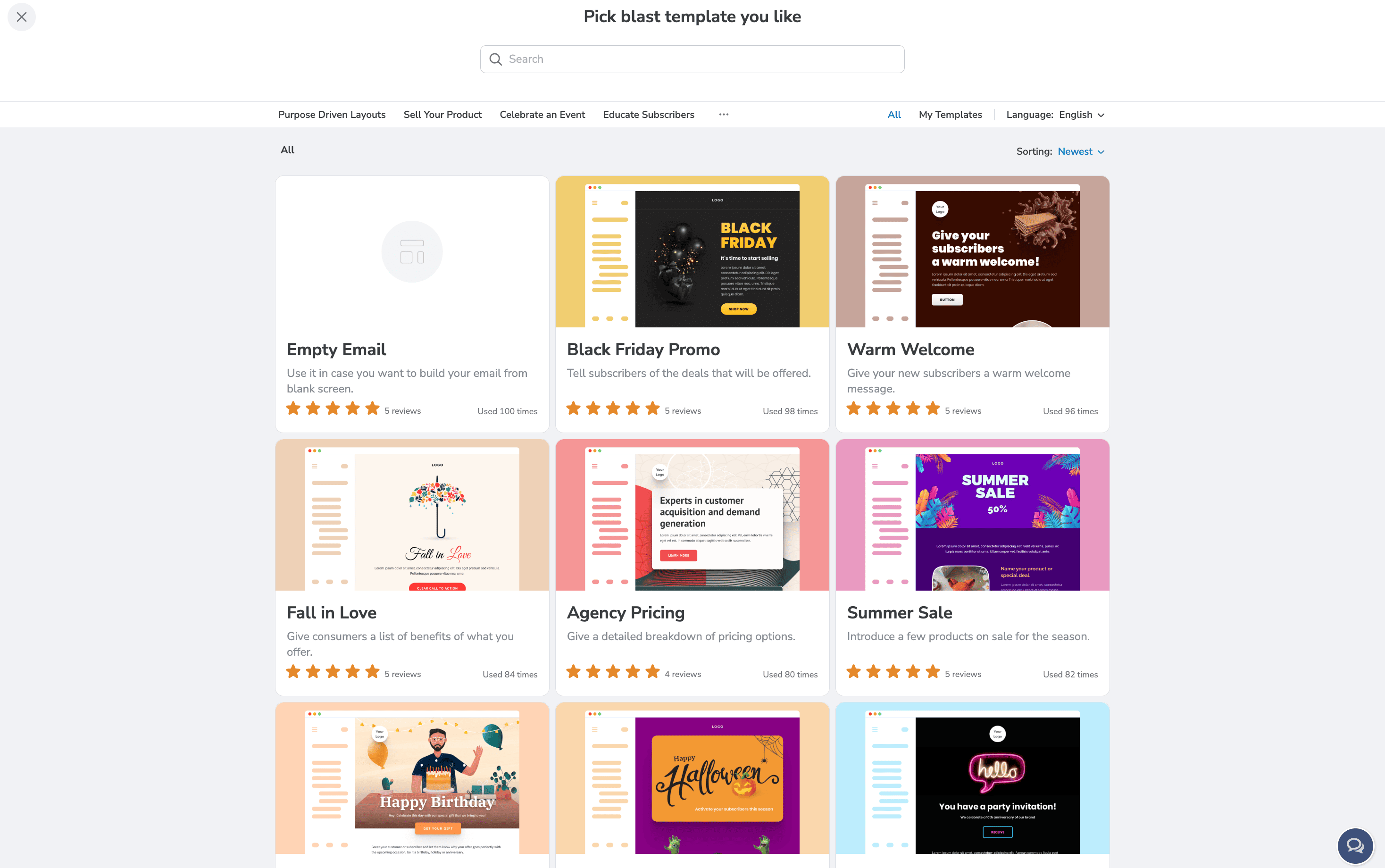
Once you choose a starting point, you are never locked into a rigid format. Take complete creative control with TruVISIBILITY Messaging's incredibly user-friendly, drag-and-drop editor that makes tweaking layouts, adjusting colors, and customizing your message completely effortless.
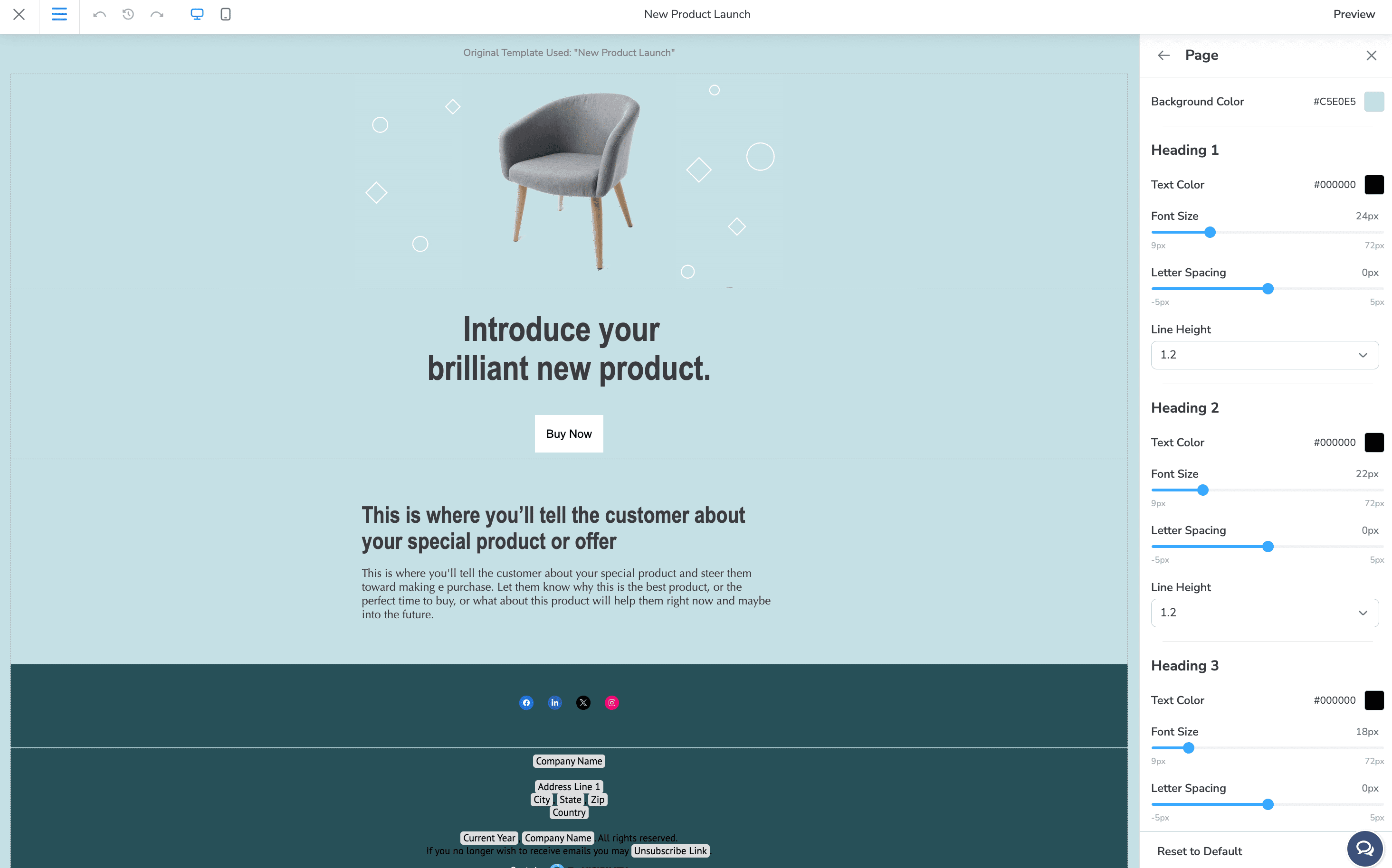
To make a lifecycle email strategy work seamlessly without driving you crazy, you need these tools working perfectly together under one single roof. A comprehensive suite like TruVisibility gives you the CRM foundation and the messaging power you need to scale effortlessly. You take the time to set it up once, and it consistently brings in revenue while you focus on doing what you do best: serving your local community.
Conclusion
Email lifecycle marketing is not just a tactic — it is a system that transforms how local businesses generate revenue. By automating follow-ups, nurturing leads, and re-engaging past customers, you create a consistent, predictable flow of jobs without relying on manual effort or constant outreach. Instead of chasing new leads every day, you build a self-sustaining process that maximizes the value of every customer who enters your pipeline.
To make this system work effectively, you need the right infrastructure. TruVisibility Suite brings your CRM, email automation, and messaging tools into one unified platform, allowing you to trigger timely, personalized communication based on real customer behavior. With everything connected in one place, you can eliminate manual work, improve consistency, and turn your marketing into a reliable growth engine that runs in the background while you focus on your business.
Key Takeaways
- Email lifecycle marketing helps local businesses automate follow-ups, recover lost leads, and generate consistent revenue without manual effort.
- Trigger-based emails reach customers at the right moment, increasing conversions compared to generic newsletters.
- A structured lifecycle system improves customer retention and drives repeat business, boosting long-term revenue.
- Automation allows you to handle more leads and scale your marketing without hiring additional staff.
- Integrating email with a CRM ensures every message is timely, relevant, and based on real customer behavior.
FAQ
How long does it take to build an automated lifecycle?
Setting up a fully functioning automated email system typically takes 2–4 weeks. This essential setup phase involves mapping out the complete customer journey, writing personalized messages for each step, and carefully configuring the behavioral triggers. Proper testing is crucial to ensure everything runs smoothly before launching.
Can lifecycle marketing increase customer lifetime value?
Yes, it absolutely increases lifetime value. By consistently delivering highly targeted and relevant messages at the exact right moment, you keep your business top of mind. Customers feel valued and return to buy your services repeatedly, which directly and significantly boosts the total amount of money they spend with you over several years.
Do I need CRM integration for lifecycle automation?
Connecting your customer database is absolutely vital for this to work successfully. A good CRM seamlessly tracks exactly when a client last booked your services or asked for a quote. This precise data allows the email system to automatically trigger perfectly timed follow-ups, saving you from ever having to check spreadsheets manually again.
What tools are required to implement lifecycle marketing?
You will need a comprehensive, all-in-one platform that seamlessly combines a robust messaging tool with a solid customer relationship manager (CRM). Using one unified digital suite entirely prevents frustrating technical headaches and ensures your automated campaigns run flawlessly in the background while you focus on your actual daily work.
Is lifecycle marketing suitable for small businesses?
It is actually the perfect growth strategy for smaller local companies. Since you likely do not have a dedicated marketing team, setting up these automated emails acts exactly like hiring a tireless digital assistant. It works around the clock to secure repeat clients and recover lost quotes, completely freeing up your demanding daily schedule.
Related articles


Want to receive more articles?
Sign-up for our weekly newsletter to receive info that will help your business grow